





South Africa Bank Membership Fees.

Discover South Africa’s guide to bank fees, comparing major and digital banks while providing insights on branches, account options, and promotions to help you save more.

Tall Sandton office building: SA Bank Fees
🔔 Absa: Rewards Cashback (Ongoing) | Nedbank: R1,000 MiGoals Cashback Until Aug 2026 | Discovery Bank: Vitality Money Rewards (Ongoing Cashback + Discount) | Nedbank: Earn Up to R200 Monthly Cashback | FNB: eBucks Rewards (Ongoing Cashback & Discount) | African Bank: Shopping Deals & Catalogue Offers (Rotating Promotion)

How Bank Fees Are Structured in South Africa.

Key Takeaways

  • Bank fees in South Africa are structured into recurring fees, transactional fees, and penalty fees.
  • Monthly account fees are not the full cost of banking; usage-based fees often have the biggest impact.
  • Different account types (entry-level, bundled, digital-only) follow different pricing models.
  • Understanding fee categories helps consumers compare accounts accurately and reduce total banking costs.
  • Regulatory bodies require banks to disclose fees, but interpretation is the consumer’s responsibility.

Why You Need To Understand Your Bank Fees.

Bank fees are a normal part of using financial services in South Africa. Whether you are paid monthly, withdraw cash, make electronic payments, or manage debit orders, each activity can trigger a cost. While most banks publish detailed fee schedules, these documents are often complex and difficult for consumers to interpret.

Understanding how bank fees are structured in South Africa allows you to:

This guide explains how bank fees are structured, what each category means, and how these costs affect everyday banking decisions.


How South African Banks Structure Their Fees

SA banks generally organise fees into three core categories. Each category represents a different cost driver and affects customers in different ways.

Overview of Bank Fee Categories

Fee CategoryWhat It CoversHow It Affects You
Recurring FeesFixed monthly chargesApplies regardless of usage
Transactional FeesPay-per-use chargesIncreases with activity
Penalty FeesCharges for failed or risky actionsTriggered by specific events

Understanding these categories is important because an account with a low monthly fee can still be expensive if transactional fees are high.


1. Recurring Fees: Fixed Monthly Banking Costs

What Are Recurring Bank Fees?

Recurring fees are fixed charges that apply every month, regardless of how often you use your account. These fees cover the bank’s ongoing costs for maintaining your account and providing access to banking infrastructure.

Common Examples of Recurring Fees

Who Is Most Affected?

Recurring fees affect all account holders, including low-usage customers. This is why entry-level accounts often advertise low or zero monthly fees to attract cost-conscious users.

Why Recurring Fees Matter to Banks

They matter because recurring fees create a baseline cost of banking. Even if you do not transact often, these fees continue to apply. When comparing accounts, recurring fees should be assessed alongside expected transaction behaviour.


2. Transactional Fees: Usage-Based Charges

What Are Transactional Fees?

Transactional fees are charged each time you perform a banking action. These fees vary based on channel (ATM, branch, app), transaction type, and sometimes transaction value.

Common Transactional Fees in South Africa

Why Transactional Fees Drive Total Cost

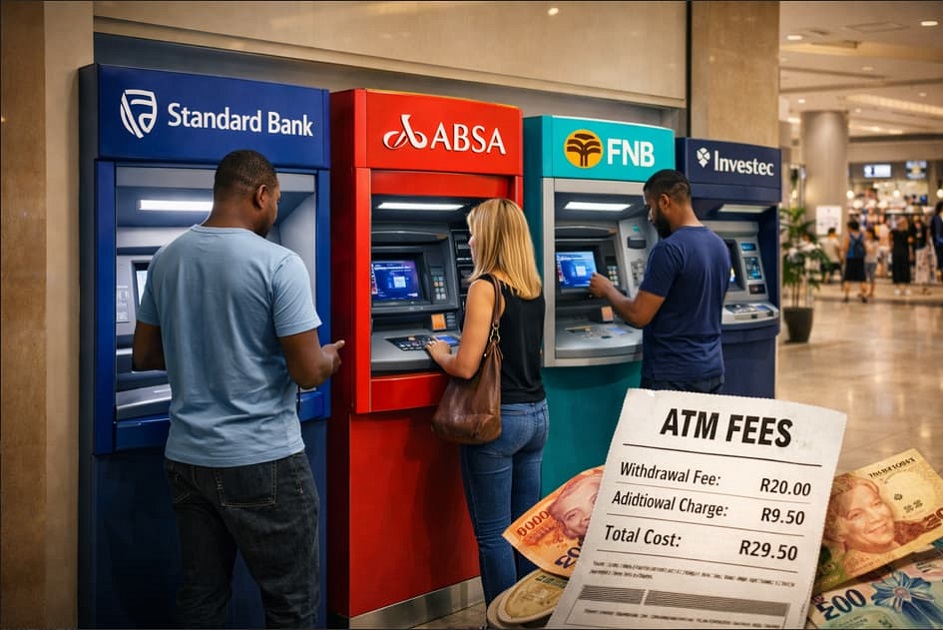
For many consumers, transactional fees make up the largest portion of annual banking costs. Frequent ATM withdrawals, for example, can quickly exceed the monthly account fee.

Digital vs Physical Channels

Digital transactions (mobile app, online banking) are usually cheaper than branch-based or ATM-based transactions. Banks use transactional pricing to encourage digital behaviour, which reduces their operating costs.


3. Penalty Fees: Costs Triggered by Risk or Errors

What Are Penalty Fees?

Penalty fees are charged when an account enters a risk state or when a transaction cannot be completed as intended.

Common Penalty Fees

Why Penalty Fees Exist

Penalty fees compensate banks for administrative costs and financial risk. However, they are often avoidable with proper account management.

How to Reduce Penalty Fees

Why Choose Us?

How Different Account Types Use Fee Structures

Banks apply fee structures differently depending on account type. Understanding this helps consumers select accounts aligned with their financial behaviour.

Entry-Level and Student Accounts

Bundled or Premium Accounts

  • Higher monthly fees
  • Reduced or zero transactional fees
  • Suited for high-income or high-activity users

Digital-Only Accounts

  • Minimal infrastructure costs
  • Lower transaction fees
  • Limited branch access

Each model shifts costs between recurring and transactional fees rather than eliminating them entirely.

Why Published Fee Schedules Can Be Misleading

Banks are required to publish fee schedules, but these documents often list prices in isolation, not in real-world combinations.

For example:

  • A “low monthly fee” account may have expensive ATM withdrawal fees
  • A “free transactions” account may require a high monthly fee

The true cost of an account depends on how you use it, not just advertised pricing.


How to Compare Bank Accounts Accurately

To compare bank fees effectively, consumers should:

  1. Estimate monthly transaction behaviour
  2. Identify recurring fees
  3. Calculate transaction-based costs
  4. Add potential penalty risks

For example;

A customer who withdraws cash four times per month may pay more on a zero-fee account than on a bundled account with free withdrawals.

This shows why fee structure understanding is more important than individual prices.


Team reviewing bank fee analysis report: SA Bank Fees

Regulatory Oversight and Transparency in South Africa

South African banks operate under financial consumer protection frameworks that require transparency and disclosure. Fee information must be made available to customers before account opening.

However, regulation does not simplify pricing. Responsibility still lies with the consumer to understand how fees apply in practice.

Practical Tips to Reduce Banking Fees

  • Use digital channels whenever possible
  • Reduce ATM withdrawals fees by planning cash usage
  • Choose an account that matches your income and transaction patterns
  • Review fee schedules annually, not just at account opening

Small behavioural changes can lead to significant annual savings.


Fee Structure Knowledge Is Financial Power

Understanding how bank fees are structured in South Africa gives consumers control. Instead of reacting to charges after they appear, informed customers can select accounts strategically, avoid unnecessary penalties, and reduce overall banking costs.

Bank fees are not random. They follow clear categories and incentives. Once you understand the structure, you can make banking work for you rather than against you.

Audit your bank fees to identify recurring or hidden charges, and prepare evidence to dispute incorrect fees.


Blogs

Recent Article and News