Key Takeaways on Absa Account Fees
- Absa uses a hybrid fee model combining monthly account fees with additional pay-as-you-use charges.
- Digital transactions are generally cheaper, while branch-assisted services cost more.
- Users who frequently deposit or withdraw cash tend to experience higher monthly costs.
- A customer feedback suggests Absa works best for those balancing digital convenience with occasional branch support.
- Understanding which actions are “assisted” vs “self-service” is the key to controlling fees.
Why Are My Absa Account Fees Higher Than Expected?
A friend of mine who banks with Absa recently asked me a question that sparked this entire comparison:
“I thought my account fee covered everything, but my monthly charges keep changing. What am I missing?”
That single question reflects how many South African banking users feel. The monthly fee looks clear, but real usage introduces extra costs that aren’t always obvious until you study your statement closely.
I will therefore analyze Absa’s account fee structure in this guide from a practical, user perspective, combining official pricing logic with everyday experiences from actual bank users. The goal is to inform, not promote, and to give you clarity so you can decide whether Absa fits your banking habits.
TABLE of CONTENTS:
- Typical Absa Banking Environment
- How I Break Down the Absa Account Fees Categories
- Understand Debit Orders and Recurring Payments
- I Took a Comparative Look at Different Absa User Profiles
- Frequently Asked Questions About Absa Account Fees
- Best Strategies to Manage Absa Banking Costs
- My Final View After Comparing Absa Account Fees
👉 Read also: Compare Major Bank Fees in South Africa
Typical Absa Banking Environment



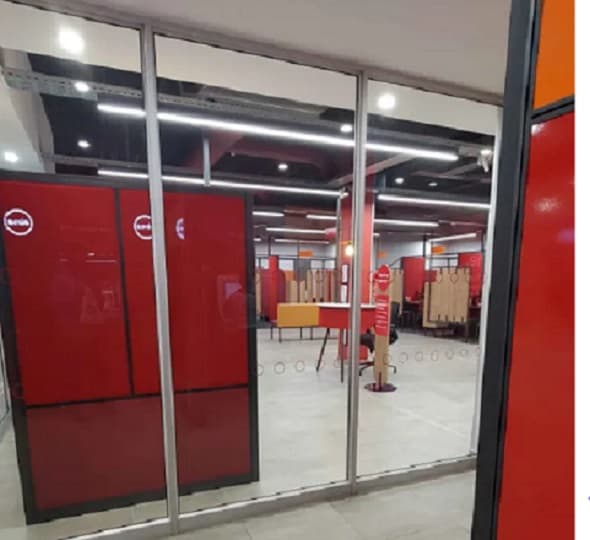
These visuals represent the blend of digital banking tools and traditional branch support that defines Absa’s service model.
How Absa’s Approach To Pricing Is Different From That Of Other Banks
Instead of using a purely bundled or purely pay-per-use model, Absa mixes both approaches. This hybrid structure can feel flexible, but it also requires more awareness from the user.
In Simple Terms
You pay:
- A fixed monthly account fee
- Plus additional charges depending on how you transact
This means your monthly cost is not always identical, it fluctuates with your behaviour.
Think of it like electricity billing:
- A base service charge exists every month
- But the final bill changes based on usage
That’s essentially how Absa account fees operate.
How I Break Down the Absa Account Fees Categories
1. Monthly Account Maintenance Fee
This is the fixed fee charged every month simply for having the account active. It typically covers:
- Access to the banking app and online platform
- Debit card functionality
- Security systems and fraud monitoring
- Basic digital banking services
What The Users Are Saying
One Absa user told me:
“The monthly fee itself isn’t bad. The confusion comes from the small extra charges I didn’t initially notice.”
This highlights an important principle: the base fee is predictable, but the variable fees require monitoring.
2. Card Swipes and Everyday Purchases
Personal Observation
When I analysed statements from a frequent card user, the majority of their transactions cost very little compared to cash withdrawals or branch services.
Prioritise card payments or contactless payments instead of withdrawing cash unnecessarily.
3. Cash Withdrawals: A Major Cost Influencer
Cash usage plays a significant role in determining overall banking costs.
Why Cash Is More Expensive
Handling physical cash involves:
- ATM infrastructure
- Cash transportation logistics
- Security services
These operational costs are partly reflected in withdrawal fees.
For Example
I spoke to a small retail worker who withdraws cash weekly:
“I didn’t realise that withdrawing small amounts frequently cost more than withdrawing once a month.”
This is a common pattern. Smaller, frequent withdrawals tend to accumulate higher fees over time.
Audit your bank fees to identify recurring or hidden charges, and prepare evidence to dispute incorrect fees.
4. Branch Transactions vs Digital Self-Service
One of the most important distinctions in Absa’s pricing structure is the difference between assisted and self-service banking.
What Counts as an Assisted Transaction?
- Teller-assisted cash deposits
- In-branch account changes
- Statement printing at the branch
- Manual payment processing
These actions usually cost more because they require staff involvement.
What Counts as Self-Service?
- Mobile app payments
- Online transfers
- ATM self-service deposits
- Card swipes and digital purchases
Self-service actions are generally cheaper because they reduce operational overhead.
From a User Insight
A university student using Absa shared:
“Once I stopped going into the branch and used the app more, my monthly fees dropped noticeably.”
👉 Read also: Nedbank Pricing Guide Explained

📢 Request a Customized Ad Space for Your Business!
Showcase your business brand to thousands of engaged readers.
Place your message and connect directly with South African banking consumers.
Understand Debit Orders and Recurring Payments
Debit orders are automated deductions set up for recurring expenses such as:
- Insurance policies
- Gym memberships
- Streaming subscriptions
- Loan repayments
Each debit order processed may carry a small charge depending on account type and structure.
Tip: If you run many subscriptions, you might pay more in cumulative processing costs compared to someone with fewer recurring payments.
Review your debit orders every few months. Cancelling unused services reduces both subscription expenses and transaction fees.
I Took a Comparative Look at Different Absa User Profiles
To better understand how behaviour affects fees, I asked three Absa users about their banking habits.
First User: The Digital Professional
Typical behaviour:
- Swipes card for most purchases
- Uses mobile banking app daily
- Rarely visits branches
Outcome:
Fees remain relatively stable because most transactions are low-cost digital actions.
User feedback:
“My costs are predictable because I do everything on the app and hardly touch cash.”
👉 Read also: Capitec Bank Fee Breakdown
Second User: The Cash-Focused Earner
Typical behaviour:
- Withdraws cash frequently
- Makes regular ATM transactions
- Occasionally visits branch for deposits
Outcome:
Higher monthly variability due to frequent cash handling and assisted services.
User feedback:
“My fees fluctuate each month depending on how often I need cash.”
Third User: The Small Business Operator
Typical behaviour:
- Supplier payments via EFT
- Regular cash deposits
- Multiple debit orders
Outcome:
Costs depend heavily on transaction volume and whether deposits are self-service or teller-assisted.
User feedback:
“When I switched to self-service deposit machines, I saw a small but consistent drop in fees.”
👉 Read also: Standard Bank Fee Highlights
Frequently Asked Questions About Absa Account Fees
Do I Pay Extra for Using Another Bank’s ATM?
Yes, using ATMs outside your bank’s network typically results in higher withdrawal fees due to shared infrastructure costs.
Are Online Transfers Cheaper Than Branch Payments?
Generally, yes. Digital transfers reduce operational costs, which often makes them more affordable.
Is the Monthly Account Fee Enough to Cover Everything?
No. The monthly fee covers basic services, but additional transactions beyond standard usage may incur separate charges.
Best Strategies to Manage Absa Banking Costs
Monitor Your Monthly Fee Breakdown
Check your monthly statement and identify patterns:
- Are cash withdrawals frequent?
- Are branch visits adding costs?
- How many debit orders running?
Understanding patterns is the first step to optimisation.
Shift Toward Digital Banking Where Possible
Moving payments, transfers, and account management to the mobile app usually reduces overall costs.
Optimise Cash Withdrawal Behaviour
Instead of withdrawing cash multiple times a week, consider withdrawing larger amounts less frequently if safe to do so.
Evaluate Your Account Type Annually
As your income and transaction habits change, your account type might need adjustment. An account suited to a student may not be ideal for a salaried professional or small business owner.
👉 Read also: FNB Fee Schedule Explained
My Final View After Comparing Absa Account Fees
After analysing official pricing structures and hearing directly from Absa users, my overall takeaway is that Absa’s fees are neither inherently cheap nor expensive, they are usage-sensitive.
For digitally focused users who rely on the mobile app and minimise branch visits, the account can feel reasonably priced and convenient. However, users who depend heavily on cash withdrawals or assisted branch services may notice higher and more variable monthly costs.
Personally, I see Absa as a balanced option for South Africans who want both digital banking convenience and access to physical branch support when needed, provided they stay aware of how their daily habits influence fees.
Ultimately, the smartest approach is simple: understand how you bank, track your monthly statement, and align your account usage with the fee structure. That awareness alone can prevent unnecessary charges and make any banking relationship more cost-efficient.