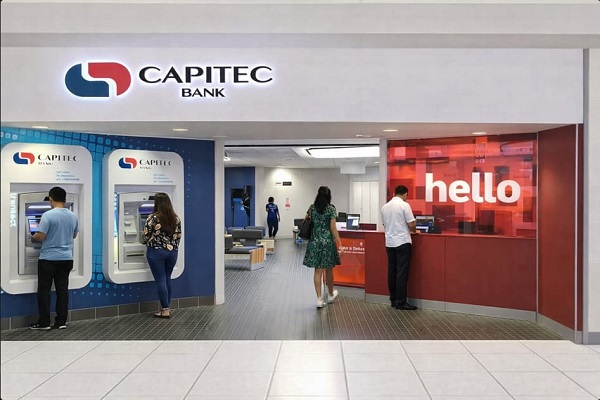
Key Takeaways on Capitec Bank Fee
- Capitec follows a pay-as-you-use model, meaning your costs depend on how often you transact.
- The monthly account fee is low, but transaction behaviour determines total cost.
- Digital actions (app transfers, card swipes) are generally cheaper than cash-based or assisted transactions.
- Real users report the biggest savings come from reducing ATM withdrawals and avoiding unnecessary branch visits.
- Capitec works best for users who bank digitally and want transparent, easy-to-track costs.
TABLE of CONTENTS:
👉 Read also: Compare Major Bank Fees in South Africa
Testing Capitec Fees in Real Life
When I first looked at Capitec’s pricing, it seemed almost too simple compared to other banks. A low monthly fee and small charges per transaction, straightforward on paper.
But I’ve learned that banking costs only make sense when you look at real behaviour, not just pricing tables.
So I tracked how different users actually use Capitec accounts, and even asked a few account holders a simple question:
“What do you think costs you the most each month?”
The answers weren’t always what I expected.
This guide breaks everything down in a practical, experience-based way so you can understand what you’ll actually pay, not just what’s advertised.
Audit your bank fees to identify recurring or hidden charges, and prepare evidence to dispute incorrect fees.
Capitec’s Everyday Banking Setup

Capitec’s model focuses heavily on simplicity, supported by a mobile-first experience with essential branch access when needed.
How Capitec’s Pricing Model Works (Simple Explanation)
Pay-As-You-Use: What That Really Means
Unlike banks that bundle services into fixed packages, Capitec charges:
- A low monthly account fee
- Plus small fees per transaction
In a simple explanation
You only pay for what you actually use.
This sounds ideal, and often is, but only if your usage stays efficient.
In a real-life analogy
Think of it like prepaid electricity:
- Use less → pay less
- Use more → pay more
There’s no fixed “bundle limit”, your behaviour directly shapes your monthly cost.
👉 Read also: FNB Fee Schedule Explained
What You’re Paying For (Core Fee Components)
Let’s break down the main cost areas in a way that reflects real usage.
1. Monthly Account Fee
This is the fixed amount you pay each month to keep your account active.
It covers:
- Access to the mobile banking app
- Debit card functionality
- Basic account services and infrastructure
User Perspective
One Capitec user told me:
“I like knowing the base fee is low. It makes the rest feel more in my control.”
This highlights one of Capitec’s biggest advantages: transparency.
2. Card Swipes and Everyday Spending
Card payments are typically one of the cheapest ways to transact.
Why This Matters
When you swipe your card:
- There’s less operational cost than handling cash
- Transactions are processed digitally
- Fees remain minimal or predictable
Real Usage Insight
A retail worker shared:
“I stopped withdrawing cash for groceries and just started swiping. My fees dropped without me changing anything else.”
3. ATM Withdrawals (Where Costs Add Up)
This is one of the biggest cost drivers.
How Withdrawal Fees Work
- Each withdrawal carries a fee
- The cost may depend on the amount withdrawn
- Using other banks’ ATMs can increase charges
Behaviour Example
Withdrawing:
- R200 five times = multiple fees
- R1,000 once = fewer total fees
User Feedback
“I didn’t realise small withdrawals were costing me more until I checked my statement.”
👉 Read also: Nedbank Pricing Guide
4. EFT Transfers and Payments
Electronic transfers (EFTs) are a core part of modern banking.
What Affects Cost
- Number of transfers made
- Type of payment (standard vs immediate)
Immediate payments are usually more expensive due to faster processing.
Practical Tip
If timing isn’t urgent, use standard transfers to avoid extra charges.

📢 Request a Customized Ad Space for Your Business!
Showcase your business brand to thousands of engaged readers.
Place your message and connect directly with South African banking consumers.
5. Debit Orders (Recurring Payments)
Debit orders are automatic payments for:
- Subscriptions
- Insurance
- Loan repayments
Each debit order may carry a small processing fee.
Real-Life Example
A student using Capitec said:
“I had five subscriptions running. Cancelling two didn’t just save subscription money, it reduced my bank charges too.”
6. Branch and Assisted Services
Capitec is primarily digital, but branches are available.
Assisted Transactions Include:
- Teller deposits
- In-branch help
- Manual services
These may cost more than self-service options.
Key Insight
Even though Capitec is low-cost, branch usage can still increase your total monthly fees.
👉 Read also: Absa Account Fees Compared
What Real Capitec Users Actually Experience
Instead of guessing, here’s how different users described their costs.
Profile 1: The Digital User
Behaviour:
- Uses the app for everything
- Swipes card regularly
- Rarely withdraws cash
Outcome:
- Very low and predictable monthly fees
User comment:
“I barely notice bank fees anymore because everything is digital.”
Profile 2: The Cash User
Behaviour:
- Withdraws cash frequently
- Uses ATMs often
- Occasional branch visits
Outcome:
- Higher and more variable monthly fees
User comment:
“My costs depend on how often I need cash that month.”
Profile 3: The Mixed User
Behaviour:
- Swipes and uses cash occasionally
- Has several debit orders
- Uses both app and ATM
Outcome:
- Moderate fees, depending on balance of usage
👉 Read also: Standard Bank Fee Highlights
Hidden Cost Triggers to Watch Out For
From reviewing real usage patterns, these are the most common fee drivers:
- Frequent small ATM withdrawals
- Using other banks’ ATMs
- Multiple small EFT payments
- Too many active debit orders
- Unnecessary branch visits
Each one seems small, but together they increase your monthly total.
Practical Ways to Reduce Your Capitec Fees
1. Reduce Withdrawal Frequency
Withdraw larger amounts less often (if safe and practical).
2. Prioritise Card Payments
Swiping is usually cheaper than handling cash.
3. Use the Mobile App for Transactions
Avoid branch visits unless necessary.
4. Review Debit Orders Regularly
Cancel unused subscriptions to reduce both expenses and processing fees.
5. Batch Your Payments
Instead of sending multiple small transfers, combine them where possible.
How Capitec Compares to Other Banks
If you’re deciding between banks, it helps to understand where Capitec fits.
- For bundled accounts, see FNB fee structure explained
- For hybrid pricing, explore Absa account fees compared
- For tiered packages, check Nedbank pricing guide
- For full comparison, visit compare bank fees in South Africa
These comparisons help you match your banking habits to the right fee model.
End: My Honest Take on Capitec Fees
After reviewing pricing structures and hearing directly from users, I’ve found that Capitec delivers on its promise of simplicity, but only if your behaviour aligns with its model.
If you bank digitally, limit cash usage, and keep your transactions efficient, your fees can stay impressively low.
But if your lifestyle relies heavily on cash withdrawals or frequent transactions, costs can rise more than expected.
Personally, I see Capitec as one of the most transparent banking options in South Africa, not because it’s always the cheapest, but because it makes it easier to understand what you’re paying for.
And in personal finance, clarity is often just as valuable as cost savings.