
Key Takeaways on Compare Major South African Bank Fees
- In South Africa, bank fees differ significantly based on the type of account, usage patterns, and branch versus digital behavior.
- In my real-life experience, the biggest hidden costs usually come from ATM withdrawals, debit orders, and card swipe fees rather than monthly account charges.
- Capitec generally offers simplified, pay-as-you-use pricing, ideal for low-cost everyday banking.
- FNB provides tiered accounts with bundled benefits but slightly higher fees if you exceed limits.
- Absa and Nedbank typically charge more for branch-based transactions but reward digital usage.
- Standard Bank remains competitive for premium accounts but can be costly for everyday transactional users.
- The smartest strategy: choose a bank based on how YOU actually bank (cash-heavy vs digital, debit orders vs transfers).
TABLE of CONTENTS:
- Compare Major Bank Fees in South Africa
- Understand Bank Fees (Before Comparing Banks)
- Major Banks Fee Comparison Overview
- How to Choose the Cheapest Bank Based on YOUR Habits
- Hidden Bank Fees Most South Africans Overlook
- Conclusion on Compare Major South African Bank Fees
Compare Major Bank Fees in South Africa
When I first started comparing bank fees seriously, I realised something surprising: the cheapest bank on paper wasn’t always the cheapest for me. My spending habits, swiping daily, making EFT payments, and rarely using the branch, changed everything.
This guide breaks down the fee structures of South Africa’s major banks in plain language so you can see which one fits your real-life banking behaviour.
I’ll explain each fee category clearly, share relatable examples, and point you to deeper cluster guides for each bank.
Audit your bank fees to identify recurring or hidden charges, and prepare evidence to dispute incorrect fees.
Understand Bank Fees (Before Comparing Banks)
Before we compare specific banks, let’s simplify the core concept: what are bank fees?
Bank fees are the charges you pay for:
- Maintaining your account (monthly service fee)
- Using your card (swipes, ATM withdrawals)
- Paying debit orders
- Sending EFT payments
- Using branch or call-centre services
Real-Life Example
If you earn R12,000 monthly and:
- Swipe your card daily
- Withdraw cash twice a week
- Pay 6 debit orders
- Make 4 EFT transfers
Your bank choice could mean paying R50/month or over R200/month depending on the fee model.
That difference adds up to over R1,800 a year, which is why comparing fees matters.
Major Banks Fee Comparison Overview
Let’s walk through each bank and what their fee philosophy actually feels like in everyday use.
Capitec Fee Structure Overview


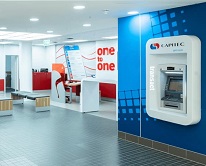
How Capitec Fees Work (Simple Pay-As-You-Use Model)
Capitec is known for one thing: simplicity.
Instead of bundling multiple features into a high monthly fee, you mostly pay per transaction. That means if you use fewer services, you often pay less.
Typical Fee Characteristics:
- Low monthly account fee
- Pay-per-transaction model
- Low card swipe and EFT charges
- Competitive ATM withdrawal pricing
My Real Experience
When I switched to Capitec for daily spending, my monthly bank costs dropped significantly because I rarely used branches. Everything was done on the app.
Best For: Digital users who want predictable, low everyday banking costs.
👉 Read more: Capitec Bank Fee Breakdown
FNB Fee Schedule Explained


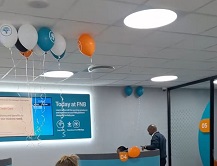
Understanding FNB’s Tiered Pricing Model
FNB uses a tiered account structure, meaning fees depend on your account level (Easy, Gold, Premier, etc.).
Each tier includes:
- A monthly account fee
- Bundled transactions (limited free swipes/EFTs)
- Extra charges once limits are exceeded
Practical Example
If your Gold account includes 10 free transactions but you make 25, you’ll pay extra for the additional 15.
This model works well if your usage matches the bundle, otherwise fees creep up quickly.
Best For: Salaried professionals who benefit from rewards and bundled services.
👉 Read more: FNB Fee Schedule Explained

📢 Request a Customized Ad Space for Your Business!
Showcase your business brand to thousands of engaged readers.
Place your message and connect directly with South African banking consumers.
Absa Account Fees Compared


Absa’s Hybrid Pricing Approach
Absa mixes bundled accounts with pay-as-you-use elements. This makes it flexible but slightly harder to predict costs.
Key traits:
- Moderate monthly account fees
- Additional charges for branch transactions
- Competitive online banking fees
Real-Life Scenario
I noticed that friends who still rely heavily on branch visits often pay more with Absa than fully digital users.
Best For: Users who want flexibility between digital and traditional banking.
👉 Read more: Absa Account Fees Compared
Nedbank Pricing Guide (How Costs Add Up)



Nedbank’s Fee Philosophy Explained
Nedbank focuses on structured account tiers similar to FNB but often places stronger emphasis on:
- Digital banking incentives
- Rewards and loyalty-linked benefits
- Higher fees for branch and assisted services
Everyday Example
If you deposit cash frequently at the branch, Nedbank’s costs can add up faster than purely digital accounts.
Best For: Users who want structured accounts with optional rewards benefits.
👉 Read more: Nedbank Pricing Guide
Standard Bank Fee Highlights


How Standard Bank Positions Its Fees
Standard Bank offers one of the widest ranges of accounts, from entry-level to premium wealth accounts.
Common patterns:
- Higher monthly fees on premium accounts
- Competitive EFT pricing
- Higher assisted transaction costs
Personal Observation
Standard Bank tends to be strong for long-term banking relationships, but casual users who only need basic transactions may find cheaper options elsewhere.
Best For: Professionals wanting premium services and long-term banking ecosystem benefits.
👉 Read more: Standard Bank Fee Highlights
How to Choose the Cheapest Bank Based on YOUR Habits
Choosing a bank isn’t about the lowest advertised monthly fee. It’s about your behaviour.
Step-by-Step Decision Framework
- If you swipe daily and bank on your phone
- Consider Capitec or digital-focused accounts
- If you want rewards and bundled benefits
- FNB or Nedbank premium tiers may work better
- If you still visit branches often
- Expect higher fees across all major banks
- If you have multiple debit orders
- Compare debit order processing fees carefully
Cost Comparison Example
Let’s say you:
- Make 20 swipes per month
- Withdraw cash 4 times
- Run 5 debit orders
- Make 3 EFT payments
Your monthly fee difference could look like:
- Capitec: Lower if mostly digital
- FNB: Moderate (if within bundle)
- Absa: Moderate to higher (branch usage increases cost)
- Nedbank: Higher if assisted transactions used
- Standard Bank: Higher unless on entry-level account
Hidden Bank Fees Most South Africans Overlook
From my experience auditing personal expenses, these are the most commonly missed costs:
1. Cash Withdrawal Fees
Every ATM withdrawal carries a cost, especially from other banks’ ATMs.
2. Debit Order Processing Fees
Each debit order you run may carry a small fee that adds up over time.
3. Immediate Payment Fees
Instant EFT payments usually cost more than standard transfers.
4. Branch Transaction Charges
Deposits, transfers, or statements done at a branch cost more than app-based actions.
Tips You Can Use to Reduce Your Bank Fees
- Use your bank’s mobile app instead of visiting branches
- Avoid unnecessary ATM withdrawals
- Consolidate debit orders where possible
- Choose an account tier that matches your transaction volume
- Review your fee statement every 3 months
These small changes saved me over R1,000 a year once I became intentional about how I bank.
Conclusion on Compare Major South African Bank Fees
After years of comparing bank fees and even switching accounts myself, I’ve realised there’s no universally “cheapest” bank in South Africa.
The truth is simple:
The cheapest bank is the one that matches your daily habits.
If you live digitally and avoid branches, lower-cost banks often win.
If you value rewards, bundled services, or premium support, a higher-fee account might actually deliver more value.
The key is awareness. Once you understand how fees really work, you stop paying for services you don’t actually use, and that’s where real savings begin.