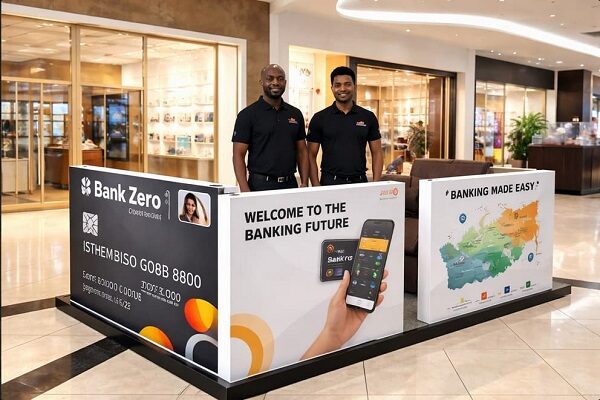
Key Takeaways on Bank Zero Pricing Model
- Bank Zero pricing model is built around very low fixed monthly fees and pay-per-transaction charges.
- If you transact digitally and avoid frequent manual transfers, your monthly banking costs can be extremely low.
- ATM withdrawals and certain transaction types still carry fees, especially if used often.
- Bank Zero rewards organised, app-based banking behaviour.
- It is not automatically “free banking”, your behaviour determines your real cost.
👉 Read also: Hidden Costs of Digital Banking in South Africa
TABLE of CONTENTS:
- Introduction: Why the Bank Zero Pricing Model Caught My Attention
- Understand Bank Zero’s Core Pricing Philosophy
- Monthly Account Fee: The Foundation of the Pricing Model
- Transaction Fees: When Your Actions Count The most
- ATM Withdrawals: The Biggest Variable in Your Monthly Cost
- Card Payments and Digital Transactions
- Transfers: Manual vs Scheduled Payments
- Security Features: A Unique Value Component
- Who Benefits Most from the Bank Zero Pricing Model?
- Hidden Costs to Watch For
- Best Tips to Keep Your Bank Zero Costs Minimal
- Common Misconception: “Bank Zero Means Free Banking”
- Finally: Is the Bank Zero Pricing Model Worth It?
Introduction: Why the Bank Zero Pricing Model Caught My Attention
When I first heard about Bank Zero, the marketing hook was simple:
“Zero monthly fees.”
Naturally, as someone who closely tracks South African bank charges, I wanted to test that claim against real-life usage.
After using the account and reviewing the pricing carefully, I realised something important:
Bank Zero pricing model is less about “free banking” and more about minimal base costs with transparent per-transaction pricing.
In this guide, I’ll explain:
- How the pricing model works
- What you actually pay for
- Who benefits most
- Where small charges can add up
- Practical tips to keep your costs near zero
Understand Bank Zero’s Core Pricing Philosophy
Bank Zero
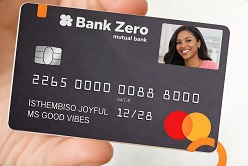
Unlike traditional banks that charge bundled monthly fees, Bank Zero operates primarily on a pay-as-you-use structure.
What Pay-As-You-Use Means
Pay-as-you-use banking means:
- You pay very little (or minimal) fixed monthly cost.
- Each qualifying transaction may carry a small fee.
- The more efficiently you bank, the less you pay.
This shifts control to you. Your habits directly influence your monthly expense.
👉 Read also: Digital Banks and Challenger Banks Fees
Monthly Account Fee: The Foundation of the Pricing Model
One of the main selling points of the Bank Zero pricing model is its extremely low monthly account fee.
Compared to traditional South African banks that can charge R100+ monthly for bundled accounts, Bank Zero keeps its base cost minimal.
Why It Can Afford Lower Monthly Fees
Bank Zero reduces costs by:
- Operating without a physical branch network
- Using app-based onboarding
- Automating most account services
- Relying on digital support channels
This digital-first infrastructure allows the bank to pass cost savings onto customers.
A Real-Life Comparison
When I compared:
- My previous bundled account
- Bank Zero’s low monthly base cost
The difference alone already lowered my fixed banking expense before I even considered transaction charges.
But, and this is important, the base fee is only one piece of the full pricing picture.
Audit your bank fees to identify recurring or hidden charges, and prepare evidence to dispute incorrect fees.
Transaction Fees: When Your Actions Count The most
The heart of the Bank Zero pricing model lies in its transaction charges.
Instead of hiding costs inside bundles, most transactions are priced individually.
Common Transaction Types Explained
- Card payments (swipes): Payments made at retailers.
- EFT transfers: Electronic transfers between bank accounts.
- Debit orders: Automated recurring payments.
- ATM withdrawals: Cash withdrawals from ATM networks.
Each action may carry a small fee, depending on the transaction type and network used.
Why This Model Appeals to Disciplined Users
If you:
- Use debit orders for recurring payments
- Avoid unnecessary manual transfers
- Minimise ATM withdrawals
Your transaction volume stays controlled, and so do your costs.
ATM Withdrawals: The Biggest Variable in Your Monthly Cost
In my experience reviewing digital banks, ATM withdrawals are usually the largest cost driver, and Bank Zero is no exception.
Why ATM Withdrawals Cost More
When you withdraw cash:
- You’re often using another bank’s ATM infrastructure.
- There are network and processing costs involved.
- Physical cash handling increases operational expense.
These costs get passed to the user per withdrawal.
For Example
Let’s compare two users:
User A:
- Withdraws cash once a month.
- Uses card payments for everything else.
User B:
- Withdraws R200 three times per week.
Even if the per-withdrawal fee is modest, User B’s monthly total will be noticeably higher.
This is where many people underestimate their banking cost.
👉 Read also: How Digital Banks Keep Fees Low
Card Payments and Digital Transactions
One area where the Bank Zero pricing model shines is digital payments.
Using your debit card for:
- Groceries
- Fuel
- Online subscriptions
- Takeaway apps
Keeps your banking mostly digital, and usually cost-effective.
Why Digital Payments Are Cheaper for Banks
Digital transactions:
- Are automated
- Don’t involve physical cash
- Use established card networks efficiently
The more you operate digitally, the better the pricing model works for you.

📢 Request a Customized Ad Space for Your Business!
Showcase your business brand to thousands of engaged readers.
Place your message and connect directly with South African banking consumers.
Transfers: Manual vs Scheduled Payments
Another behavioural factor that influences cost is how you move money.
Manual Transfers
Sending EFTs manually each time can generate transaction-based charges.
Scheduled Payments (Debit Orders)
Automated recurring payments:
- Reduce repeated transaction effort
- Keep your financial flow predictable
- Often cost less over time due to reduced frequency
Personal Habit Adjustment
When I switched from sending manual rent payments every month to setting up a debit order, my transaction count dropped, and so did the chance of incurring unnecessary fees.
It’s a small behaviour change, but it adds up.
Security Features: A Unique Value Component
One interesting part of the Bank Zero pricing model is the emphasis on user-controlled security.
Through the app, you can:
- Disable specific card functions
- Adjust card limits
- Lock and unlock your card instantly
While not directly fee-related, these controls reduce:
- Fraud risk
- Reversal fees
- Dispute processing complications
In my view, that’s an indirect cost-saving benefit many people overlook.
👉 Read also: Discovery Bank Fees and Rewards Breakdown
Who Benefits Most from the Bank Zero Pricing Model?
Best Fit: Digital Salary Earners
If your income is deposited electronically and you:
- Use your card daily
- Limit ATM withdrawals
- Automate recurring payments
Your monthly banking cost can stay very low.
Moderate Fit: Mixed Digital and Cash Users
If you:
- Use both card and cash regularly
- Withdraw money weekly
Your total cost will be moderate, but not necessarily “near zero.”
Less Ideal Fit: High-Transaction Users
If you:
- Frequently move money between accounts
- Make multiple small transfers daily
- Withdraw cash often
Your transaction fees may accumulate faster than expected.
The model rewards simplicity and discipline.
Hidden Costs to Watch For
Even with a transparent pricing model, there are behavioural traps to avoid.
1. Frequent Small Transfers
Multiple small EFTs can cost more than one larger consolidated payment.
2. Repeated ATM Withdrawals
As mentioned earlier, frequency matters more than the withdrawal amount.
3. Cross-Bank Transfers
Depending on timing and method, certain transfers may carry additional charges.
4. Ignoring Your Transaction Pattern
If you never review your monthly banking behaviour, you won’t notice small fees stacking up.
Best Tips to Keep Your Bank Zero Costs Minimal
Based on my experience analysing digital banking fees in South Africa, here are simple strategies:
1. Consolidate Payments
Instead of making five transfers, make one.
2. Withdraw Cash Strategically
Withdraw larger amounts less frequently.
3. Use Debit Orders
Automate recurring expenses to reduce manual transaction frequency.
4. Monitor Your App Monthly
Review your transaction history and identify patterns increasing your costs.
5. Stay Digital
Card swipes and digital payments usually cost less than cash-based banking behaviour.
👉 Read also: TymeBank Fee Structure Explained
Common Misconception: “Bank Zero Means Free Banking”
The name creates a powerful perception.
But realistically:
The Bank Zero pricing model is “minimal fixed fee + transaction-based pricing,” not completely free banking.
If you bank efficiently, your costs stay very low.
If you transact frequently and withdraw cash often, you will pay more.
Understanding that difference prevents disappointment.
Finally: Is the Bank Zero Pricing Model Worth It?
After reviewing and comparing multiple South African digital banks, I’ve found that Bank Zero works exceptionally well for:
- Organised digital users
- People comfortable managing finances via mobile apps
- Users who avoid frequent cash withdrawals
It is less ideal for:
- Cash-heavy individuals
- People who constantly move money manually
- Users who prefer in-branch services
The key insight is this:
The Bank Zero pricing model gives you control, but it also makes you responsible for your behaviour.
If you embrace digital banking discipline, your costs can remain impressively low. If not, transaction charges can quietly increase your monthly total.
Choosing this bank should be based on how you actually use money, not just the appeal of the word “Zero.”