

Discovery Bank Fees and Rewards: Are You Saving Money?
When people talk about Discovery Bank, the conversation almost always revolves around one idea:
“You receive rewards even though you pay higher fees.”
That statement is technically true, but it doesn’t tell the full story.
Discovery Bank operates very differently from most digital banks in South Africa. Instead of competing purely on the lowest monthly fees, the bank uses a behaviour-based rewards system designed to encourage smarter financial habits.
I’ll go over the Discovery Bank fees and rewards model in this guide in a useful manner, covering things like:
- How the monthly fees actually work
- What the Vitality Money rewards system does
- When the rewards offset your fees
- Situations where Discovery Bank may cost more than expected
By the end, you should be able to answer the most important question:
Is Discovery Bank actually cheaper for you, or just more rewarding if used correctly?
👉 Read also: Digital Banks and Challenger Banks Fees
TABLE of CONTENTS:
- Quick Overview: Discovery Bank’s Pricing Model
- The Discovery Bank Account Structure
- Understanding the Vitality Money System
- Cashback Rewards: Where Many Users Recover Their Fees
- Where Discovery Bank Can Become Expensive
- Who Benefits Most from Discovery Bank?
- Tips to Maximise Discovery Bank Rewards
- Discovery Bank Is Just an Expensive Digital Bank
- Conclusion: Is Discovery Bank Fees Worth It?
Quick Overview: Discovery Bank’s Pricing Model
Discovery Bank
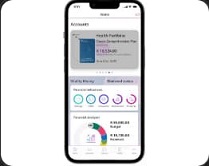

Unlike TymeBank or Bank Zero, Discovery Bank is not designed around minimal fees.
Instead, its structure looks like this:
Step 1 – Pay a monthly banking fee
Step 2 – Earn rewards based on behaviour
Step 3 – Reduce your effective banking cost through rewards
This structure is built around Discovery’s broader ecosystem, which includes insurance, investments, and health rewards.
The Discovery Bank Account Structure
Discovery Bank offers multiple account tiers. Each tier has a different monthly fee and benefits level.
Instead of focusing on only the base price, it helps to understand what these tiers represent.
Why Discovery Uses Account Tiers
Account tiers allow the bank to offer:
- Different reward levels
- Different service features
- And Different lifestyle benefits
For example, higher-tier accounts often include:
- Enhanced travel benefits
- Higher cashback percentages
- Better reward multipliers
However, they also come with higher monthly banking fees.
Practical Perspective
Think of Discovery Bank accounts the same way airlines structure loyalty tiers.
The higher the tier, the more perks you unlock, but the more engagement is expected from the user.
👉 Read also: TymeBank Fee Structure Explained
Audit your bank fees to identify recurring or hidden charges, and prepare evidence to dispute incorrect fees.
Understanding the Vitality Money System
The most important component of Discovery Bank fees and rewards is the Vitality Money programme.
Vitality Money is a behavioural financial system that scores how you manage your money.
What the Vitality Money Score Measures
Your score can increase based on actions such as:
- Maintaining healthy savings balances
- Paying off credit responsibly
- Spending within reasonable limits
- Engaging with financial education tools
The higher your score, the more rewards you unlock.
Why Discovery Built This System
Discovery’s philosophy is simple:
Reward good financial behaviour instead of just charging fees.
This model encourages customers to improve financial habits while earning rewards in the process.
Cashback Rewards: Where Many Users Recover Their Fees
One of the most attractive parts of Discovery Bank fees and rewards is cashback on spending.
Depending on your account tier and Vitality Money status, you may earn cashback on:
- Grocery purchases
- Fuel spending
- Retail purchases at partner stores
For Example
Let’s say you spend monthly on:
- Groceries
- Fuel
- Household items
If these purchases qualify for rewards, cashback can accumulate over the month.
In some cases, this cashback may offset a meaningful portion of your monthly banking fee.
However, the key factor is how actively you engage with the rewards ecosystem.
Travel and Lifestyle Benefits
Discovery Bank also positions itself as a lifestyle banking platform.
Some benefits may include:
- Travel discounts
- Airport lounge access
- Partner rewards
- Discounted flights or accommodation
These perks appeal particularly to users who already participate in the Discovery ecosystem through:
- Discovery Health
- Discovery Insure
- And Discovery Invest
For those users, the rewards system becomes much more powerful.
Everyday Transaction Fees
Even though rewards are a major focus, Discovery Bank still has standard banking transaction fees.
These include typical services such as:
- ATM withdrawals
- Manual transfers
- International transactions
- Card replacement services
However, many everyday card payments and digital banking functions are structured competitively compared to traditional banks.
Take For Instance
If you mostly use:
- Card payments
- Debit orders
- App-based transfers
Your banking experience remains smooth and predictable.
But frequent ATM withdrawals or cash-heavy behaviour can still increase your costs.
👉 Read also: Bank Zero Pricing Model Explained
Where Discovery Bank Can Become Expensive
Discovery Bank’s model only works well if the rewards system is actively used.
Without engagement, the account may feel expensive.
Situations Where Costs May Outweigh Benefits
Discovery Bank may not be ideal if you:
- Rarely use reward partners
- Do not track your Vitality Money score
- Prefer simple low-fee banking without behavioural incentives
- Do not participate in other Discovery services
In these cases, a simpler digital bank could be cheaper.
A Simple Real-Life Comparison
Let’s imagine two Discovery Bank users.
User A: Active Ecosystem User
This person:
- Shops at reward partners
- Uses Discovery insurance products
- Maintains good financial habits
- Monitors their Vitality Money score
Result:
They earn consistent cashback and rewards that offset a significant portion of their banking fees.
User B: Passive Banking User
This person:
- Uses the account mainly for transactions
- Rarely engages with reward programmes
- Ignores Vitality Money scoring
Result:
They still pay the monthly account fee but receive minimal rewards in return.
The difference between these two experiences can be dramatic.
👉 Read also: Hidden Costs of Digital Banking in South Africa
Who Benefits Most from Discovery Bank?
Discovery Bank tends to work best for people who enjoy financial gamification, improving habits and being rewarded for it.
Best Fit Users
Discovery Bank works well for:
- Discovery Health members
- Professionals with regular digital spending
- Users interested in rewards and cashback
- People who like tracking financial behaviour
These users tend to maximise the system.
Moderate Fit Users
It can still work for people who:
- Spend regularly on groceries and fuel
- Use card payments often
- Maintain savings balances
They may receive moderate rewards.
Less Ideal Users
Discovery Bank may be less suitable for people who:
- Want the lowest possible monthly banking fee
- Prefer simple pricing with no reward tracking
- Withdraw cash frequently
For those users, digital banks like TymeBank or Bank Zero may be simpler and cheaper.
📢 Request a Customized Ad Space for Your Business!
Showcase your business brand to thousands of engaged readers.
Place your message and connect directly with South African banking consumers.
Tips to Maximise Discovery Bank Rewards
If you decide to use Discovery Bank, these habits can significantly improve the value you receive.
1. Monitor Your Vitality Money Score
Your rewards potential is closely tied to this score.
2. Use Partner Retailers
Shopping with participating retailers can increase cashback earnings.
3. Maintain Healthy Financial Behaviour
Saving consistently and managing debt responsibly improves your rewards status.
4. Track Your Monthly Cashback
Understanding how much you earn helps determine whether the account remains cost-effective.
👉 Read also: How Digital Banks Keep Fees Low
Discovery Bank Is Just an Expensive Digital Bank
At first glance, Discovery Bank may appear expensive compared to other digital banks.
But the pricing model works differently.
The question isn’t:
“What is the monthly fee?”
The better question is:
“What is my effective banking cost after rewards?”
For engaged users, those rewards can make a significant difference.
Conclusion: Is Discovery Bank Fees Worth It?
After analysing the Discovery Bank fees and rewards model, one insight becomes clear:
Discovery Bank is designed for participation.
If you actively engage with the ecosystem, monitor your financial behaviour, and take advantage of reward partners, the account can deliver real value.
But if you simply want a low-maintenance, low-fee digital bank, the model may feel unnecessarily complex.
In other words:
- TymeBank focuses on simplicity and low costs
- Bank Zero focuses on transparent pay-per-use banking
- Discovery Bank focuses on behaviour-based rewards
Choosing between them depends less on the pricing table and more on how you personally manage money
