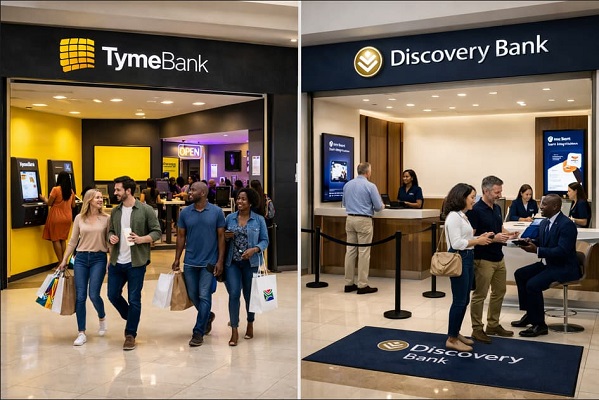
Key Takeaways on Digital Bank Fees South Africa
- Digital and challenger banks in South Africa generally charge lower fees because they operate without large branch networks and use app-based automation.
- TymeBank focuses on low everyday transaction fees and simple pricing suited to cash-heavy users.
- Bank Zero offers a near “zero monthly fee” model, charging mainly per transaction to keep costs transparent.
- Discovery Bank blends traditional banking with rewards (like Vitality), meaning your effective fees can drop if you actively use the ecosystem.
- Hidden costs still exist: ATM withdrawals, cross-network payments, and behavioural fees can add up if you’re not careful.
- The real savings depend on how you bank, salary earners, freelancers, and cash users all experience different fee outcomes.
TABLE of CONTENTS:
- The Reasons Digital Bank Fees Are Important Now
- Understand Digital Banking Fees (Prior to Comparing)
- TymeBank – Low-Fee Banking Built for Everyday South Africans
- Bank Zero – Pay-As-You-Go Banking Philosophy
- Discovery Bank – Fees That Depend on Behaviour
- The Real Reason Digital Banks Can Charge Less
- “Low Fee” Doesn’t Always Mean “Cheapest Overall”
- Choose the Right Digital Bank Based on Your Lifestyle
- Conclusion (My Experience-Based Insight) on Digital Bank Fees
👉 Read also: Hidden Costs of Digital Banking in South Africa
The Reasons Digital Bank Fees Are Important Now
Over the last few years, I’ve noticed more South Africans quietly switching from traditional banks to digital banks. It usually starts with a simple question:
“Why am I paying R120+ a month for a bank account when I barely go to a branch?”
That question alone explains the rise of digital and challenger banks. These banks are designed to operate mostly through mobile apps, which removes expensive branch overheads. Less overhead often means lower account fees, but not always lower total banking costs.
In this article, I’ll guide you through how digital banks price their services in South Africa, focusing on three major players:
- TymeBank
- Bank Zero
- Discovery Bank
Then we’ll examine how they keep fees low, and where hidden costs can creep in.
My goal is simple: help you realistically understand what you’ll actually pay, not just the advertised “low fee” headline.
Understand Digital Banking Fees (Prior to Comparing)
Before going into each bank, it’s important to clarify a few fee concepts. Many people assume “no monthly fee” means “free banking,” but that’s rarely the full story.
Common Digital Banking Fee Types
- Monthly Account Fee
A fixed fee charged every month just for having the account open. - Transaction Fees
Small charges applied per action (sending money, card swipes, ATM withdrawals). - Interchange & Network Fees
Costs incurred when you use other banks’ ATMs or payment rails. - Behavioural Fees
Charges triggered by certain behaviours, like frequent cash withdrawals or manual transfers instead of scheduled payments.
If you’ve ever withdrawn cash multiple times a week, you’ve probably felt how these small fees stack up.
Let’s now examine each digital bank’s pricing structure using actual use cases.
Audit your bank fees to identify recurring or hidden charges, and prepare evidence to dispute incorrect fees.
TymeBank – Low-Fee Banking Built for Everyday South Africans
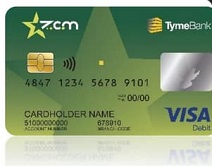

When I first tested TymeBank, the biggest difference I noticed was how simple the pricing felt. There’s no confusing bundle structure. You mostly pay as you transact.
How TymeBank’s Fee Model Works
TymeBank’s strategy is straightforward:
- Minimal or low monthly account fee
- Low-cost digital transactions
- Higher fees for cash-based services
This makes sense. Handling physical cash costs banks more than digital payments.
Example
Let’s say you’re paid into your TymeBank account and mostly:
- Pay with your debit card
- Send EFTs
- Buy airtime and pay bills online
Your monthly banking cost could be extremely low, sometimes under R20 depending on usage.
But if you frequently:
- Withdraw cash at ATMs
- Deposit cash at retail kiosks
Your fees will climb because cash handling adds operational costs.
When TymeBank Makes the Most Sense
From my experience, TymeBank works best if you:
- Receive a salary digitally
- Use card payments regularly
- Limit ATM withdrawals
It’s less ideal for people who rely heavily on cash transactions every week.
👉 Read more: TymeBank Fee Structure Explained
Bank Zero – Pay-As-You-Go Banking Philosophy
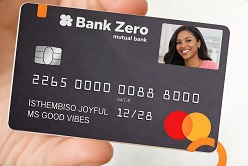
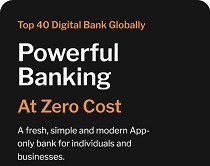
Bank Zero markets itself around a bold promise: minimal monthly fees and user-controlled security with app-managed cards.
But the real differentiator is its transaction-based pricing model.
What Makes Bank Zero Different?
Instead of charging a flat monthly bundle, Bank Zero mainly charges small fees per action. That means:
- If you transact less → you pay less
- If you transact frequently → costs increase incrementally
This model rewards disciplined digital users who automate payments and avoid unnecessary transactions.
Take for a Scenario
If you:
- Set up debit orders for bills
- Use card payments for groceries and fuel
- Rarely withdraw cash
Your monthly banking cost could be close to zero.
But here’s where people get surprised:
Frequent manual transfers or repeated payment corrections can trigger extra transaction charges.
My Personal Insight
Bank Zero works best for organised users who:
- Plan payments in advance
- Avoid frequent ad-hoc transfers
- Prefer full app control over their banking
If you’re someone who constantly moves money between accounts, your transaction fees could add up quickly.
👉 Read more: Bank Zero Pricing Model Full Breakdown

📢 Request a Customized Ad Space for Your Business!
Showcase your business brand to thousands of engaged readers.
Place your message and connect directly with South African banking consumers.
Discovery Bank – Fees That Depend on Behaviour

Discovery Bank is different from other digital banks because it doesn’t just focus on low fees, it focuses on behaviour-driven rewards.
That means your effective banking cost depends on how you use the account.
How Discovery’s Pricing Really Works
Discovery uses a tiered account structure:
- Higher monthly fees than most digital banks
- Potential rewards that can offset those fees
Rewards can include:
- Cashbacks on healthy purchases
- Travel discounts
- Reduced banking fees for positive financial behaviour
For Instance
If you actively:
- Swipe your card frequently
- Maintain good savings habits
- Engage with the Discovery ecosystem
Your rewards can partially or fully offset your monthly banking fees.
But if you don’t use the rewards ecosystem, the account may feel expensive compared to TymeBank or Bank Zero.
👉 Read more: Discovery Bank Fees vs Rewards Analysis
The Real Reason Digital Banks Can Charge Less
Digital banks don’t magically operate cheaper, they just remove the biggest traditional cost: physical branches.
Here’s how they reduce costs:
1. Fewer Physical Branches
Traditional banks maintain large branch networks with staff, rent, and security. Digital banks avoid most of this.
2. Automation Through Apps
Account opening, transfers, statements, everything is automated digitally, reducing manual processing costs.
3. Cloud-Based Infrastructure
Instead of legacy systems, many digital banks use modern cloud platforms, which scale cheaper as users grow.
4. Behaviour-Based Pricing
Rather than charging everyone the same monthly fee, digital banks reward efficient digital behaviour and penalise costly manual actions (like cash withdrawals).
Simple Example
If two customers both have accounts:
- Customer A uses only digital payments
- Customer B withdraws cash five times a week
Because customer B costs the bank more to serve, so they pay more in fees.
That’s how digital banks align pricing with user behaviour.
“Low Fee” Doesn’t Always Mean “Cheapest Overall”
One lesson I learned quickly: digital banking is only cheap if your usage pattern fits the model.
Here are the hidden costs many people overlook.
1. ATM Withdrawal Fees
Even digital banks often charge per ATM withdrawal, especially on other banks’ machines.
Example:
Withdrawing R200 three times a week may cost more than doing one larger withdrawal.
2. Cross-Network Payment Costs
Sending money to other banks (interbank transfers) can sometimes incur small fees depending on method and timing.
3. Cash Deposit Charges
Digital banks don’t have many branches, so depositing cash via partner retailers or ATMs can carry extra costs.
4. Behavioural “Friction Fees”
These are not advertised loudly, but they include:
- Manual EFTs instead of scheduled ones
- Reversed or failed transactions
- Frequent balance checks at ATMs
Individually small, collectively noticeable.
To explore more, for a broader view
👉 Read also: How Digital Banks Keep Fees Low
Choose the Right Digital Bank Based on Your Lifestyle
The biggest mistake I see is choosing a bank based on marketing claims instead of actual usage behaviour.
If You Mostly Pay Digitally
Best fit: TymeBank or Bank Zero
Reason: Low transaction-based pricing works in your favour.
If You Want Rewards and Ecosystem Benefits
Best fit: Discovery Bank
Reason: Rewards can offset higher monthly fees if actively used.
If You Use Cash Frequently
Important insight:
Digital banks may not always be the cheapest option due to ATM and deposit fees.
In this case, comparing a low-tier traditional bank account could sometimes be smarter.
Conclusion (My Experience-Based Insight) on Digital Bank Fees
After testing and comparing digital banks over time, I’ve realised something important:
The cheapest bank isn’t universal, it’s behavioural.
If you live mostly cashless and automate payments, digital banks can dramatically reduce your monthly banking costs.
But if your lifestyle still relies on frequent ATM withdrawals, ad-hoc transfers, or cash deposits, the hidden fees can slowly erode the savings you expected.
The smartest approach isn’t asking:
“Which digital bank is cheapest?”
It’s asking:
“How do I actually use my bank every month?”
That single shift in thinking will help you choose a bank that truly lowers your real-life banking costs, not just the advertised fees.