
Key Takeaways on TymeBank Fee Structure
- TymeBank uses a low monthly fee + pay-as-you-use model, keeping basic digital banking costs minimal.
- Everyday digital transactions (card swipes, online payments) are usually very cheap or free, depending on usage.
- Cash-related actions, ATM withdrawals and cash deposits, typically cost more because they involve external networks or retail partners.
- TymeBank works best for people who bank mostly digitally and limit cash withdrawals.
- Your actual monthly cost depends heavily on how often you withdraw cash, send manual transfers, or deposit physical money.
👉 Read also: Digital Banks and Challenger Banks Fees
TABLE of CONTENTS:
- My First Real Experience with TymeBank Fees
- Explaining the Pricing Philosophy of TymeBank
- Monthly Account Fees: What You Pay Just to Have the Account
- Everyday Digital Transactions: Where TymeBank Really Saves You Money
- ATM Withdrawal Fees: The Biggest Cost Factor Most People Ignore
- Cash Deposits: Understanding Retail Partner Costs
- Transfers and Payments: Manual vs Automated Costs
- Hidden Behavioural Costs Most Users Don’t Notice
- Who Benefits Most from TymeBank’s Fee Structure?
- Important Tips to Keep Your TymeBank Fees Low
- "TymeBank Is Completely Free" is a common misconception.
- Conclusion: My Honest Experience Using TymeBank
My First Real Experience with TymeBank Fees
When I first opened a TymeBank account, my expectation was simple:
“This should be cheaper than my traditional bank.”
And honestly, for everyday digital use, it was.
But what I quickly realised is that “low fee banking” doesn’t mean “no cost banking.” Instead, TymeBank’s structure is designed around how you behave with your money. If you transact digitally, costs stay low. If you rely heavily on cash, your fees can creep up quietly.
I’ll guide you through the TymeBank fee structure in this article the same way I learned it, that is, by using the account on a regular basis rather than merely looking at a pricing table.
We’ll break down:
- Monthly account costs
- Card and payment transaction fees
- ATM withdrawal and cash deposit costs
- Real-life usage scenarios
- Tips to keep your fees as low as possible
Explaining the Pricing Philosophy of TymeBank
TymeBank
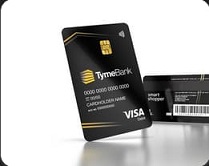
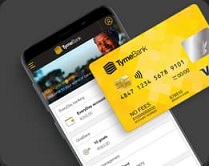

TymeBank operates differently from traditional banks. Instead of charging a large fixed monthly fee that includes bundled transactions, it focuses on a low base cost and then charges small amounts for specific services.
This is called a usage-based pricing model.
What Does Usage-Based Pricing Mean?
Usage-based pricing means:
- You pay very little to keep the account open
- You only pay extra when you perform certain actions
These actions usually include:
- ATM withdrawals
- Cash deposits
- Certain types of transfers
This model is ideal for digital-first users, but less ideal for cash-heavy users.
Monthly Account Fees: What You Pay Just to Have the Account
One of the biggest reasons people switch to TymeBank is the relatively low monthly account cost compared to traditional banks.
Why the Monthly Fee Is Lower
TymeBank saves costs because:
- There are no large physical branch networks
- Most customer interactions happen via the mobile app
- Account setup is automated at kiosks or online
These operational savings allow TymeBank to charge less just for holding the account.
For Example
When I compared my previous traditional account (with a bundled fee) to TymeBank, the monthly base fee difference alone already saved me money, even before factoring in transaction behaviour.
But here’s the important lesson:
The base monthly fee is only one part of your total banking cost.
Your behaviour determines the rest.
Audit your bank fees to identify recurring or hidden charges, and prepare evidence to dispute incorrect fees.
Everyday Digital Transactions: Where TymeBank Really Saves You Money
If you mainly use your card for:
- Groceries
- Fuel
- Online shopping
- Subscription payments
TymeBank becomes extremely cost-effective.
Why Digital Transactions Are Cheaper
Digital payments are cheaper for banks because:
- No physical cash handling is required
- No third-party ATM network costs
- Transactions process automatically via card networks
This means everyday spending usually comes with very low or zero transaction costs depending on the action.
For Instance: Salary Earner Who Pays Digitally
Imagine this typical monthly behaviour:
- Salary deposited into TymeBank account
- Card swipes for groceries and fuel
- Debit orders for rent, Wi-Fi, and insurance
- Occasional EFT payment
In this case, the monthly banking cost can remain very low because you are not relying on costly cash services.
This is exactly how digital banks intend their pricing to be used.
👉 Read also: Hidden Costs of Digital Banking in South Africa
ATM Withdrawal Fees: The Biggest Cost Factor Most People Ignore
Here’s where many users, including me initially, underestimate their fees.
Why ATM Withdrawals Cost More
Withdrawing cash often involves:
- Another bank’s ATM network
- Processing fees between banks
- Physical cash handling costs
Even if the per-withdrawal fee seems small, it adds up fast with frequent usage.
For Example
Let’s say you withdraw:
- R300 every weekday for daily spending
That’s roughly 20 withdrawals a month. Even small per-withdrawal fees can result in a noticeably higher monthly banking cost than expected.
Smarter Withdrawal Strategy
Instead of frequent small withdrawals:
- Withdraw larger amounts less often
- Use card payments for smaller everyday purchases
This behaviour alone can significantly reduce your monthly fees.
Cash Deposits: Understanding Retail Partner Costs
TymeBank allows cash deposits through selected retail partners and kiosks. While convenient, these deposits usually come with fees.
Why Cash Deposits Are Not Always Cheap
Depositing cash involves:
- Handling physical money
- Using third-party retail infrastructure
- Additional security and logistics costs
Because of this, depositing cash regularly can increase your overall monthly banking cost.
Example: Small Business Owner
If you run a small cash-based side hustle and deposit money multiple times a week, your banking costs may be higher than someone who receives payments electronically.
In that case, TymeBank is still usable, but not always the absolute cheapest option depending on deposit frequency.
👉 Read also: How Digital Banks Keep Fees Low
Transfers and Payments: Manual vs Automated Costs
Another important part of the TymeBank fee structure is how you send money.
Types of Transfers Examined
- Scheduled payments: Set up once, processed automatically
- Manual EFTs: Done manually each time you send money
Automated payments are generally more efficient and predictable. Frequent manual transfers can sometimes add incremental costs depending on transaction types and volumes.
For Instance
When I switched to scheduling recurring payments instead of sending them manually each month, my transaction pattern became more predictable, and easier to manage financially.
📢 Request a Customized Ad Space for Your Business!
Showcase your business brand to thousands of engaged readers.
Place your message and connect directly with South African banking consumers.
Hidden Behavioural Costs Most Users Don’t Notice
Even though TymeBank promotes low fees, small behavioural habits can create extra costs over time.
Common Behavioural Fee Triggers
- Multiple small ATM withdrawals weekly
- Frequent manual transfers instead of scheduled payments
- Repeated cash deposits through retail partners
- Balance inquiries at third-party ATMs
Each action may cost only a small amount individually, but together they shape your real monthly banking expense.
Who Benefits Most from TymeBank’s Fee Structure?
Best Fit: Digital-First Salary Earners
If your income is paid electronically and you:
- Pay bills via debit orders
- Swipe your card regularly
- Withdraw cash occasionally
TymeBank can be very cost-effective.
Moderate Fit: Mixed Cash and Digital Users
If you:
- Use both card and cash regularly
- Deposit cash occasionally
Your fees remain manageable, but not always minimal.
Less Ideal Fit: Cash-Heavy Users
If you:
- Withdraw cash multiple times weekly
- Deposit cash frequently
Your total banking cost may be higher than expected due to repeated transactional charges.
👉 Read also: Discovery Bank Fees and Rewards Breakdown
Important Tips to Keep Your TymeBank Fees Low
Based on my personal usage and observation, these tips make a real difference:
1. Withdraw Cash Less Frequently
Rather withdraw larger amounts less often instead of small amounts multiple times a week.
2. Use Your Card Whenever Possible
Card payments reduce reliance on ATM withdrawals and help keep fees minimal.
3. Automate Recurring Payments
Scheduled debit orders reduce the need for repeated manual transfers.
4. Minimise Cash Deposits
If possible, receive payments digitally instead of depositing physical cash regularly.
5. Track Your Behaviour Monthly
Review how often you:
- Withdraw cash
- Send manual EFTs
- Deposit money
This awareness alone helps prevent unnecessary banking costs.
“TymeBank Is Completely Free” is a common misconception.
One myth I often hear is:
“TymeBank is free banking.”
That’s not fully accurate.
TymeBank is better described as:
“Low-cost digital banking that rewards efficient usage.”
If your behaviour aligns with digital usage, your costs stay low. If your behaviour leans heavily toward cash-based banking, your fees can gradually increase.
Understanding this difference is the key to avoiding disappointment.
👉 Read also: Bank Zero Pricing Model Explained
Conclusion: My Honest Experience Using TymeBank
After using TymeBank for everyday transactions, I’ve realised something important:
The bank itself is not expensive, inefficient banking habits are.
When I relied mainly on:
- Card payments
- Automated debit orders
- Limited ATM withdrawals
My monthly banking cost stayed impressively low.
But during months when I:
- Withdrew cash frequently
- Made multiple manual transfers
I noticed my total costs creeping up.
So the real lesson is this:
TymeBank rewards disciplined digital banking behaviour.
If you embrace digital payments and limit cash reliance, the fee structure works strongly in your favour. But if your lifestyle still revolves around frequent cash handling, the savings may not be as dramatic as expected.